How Silverstein Uses a Simple $10 'Mystery Tee' to Drive Impulse Buys and Clear Inventory
Industry
Fashion & Apparel
Usecase
Mystery Boxes
Niche
band merchandise
The playbook
What made this campaign work
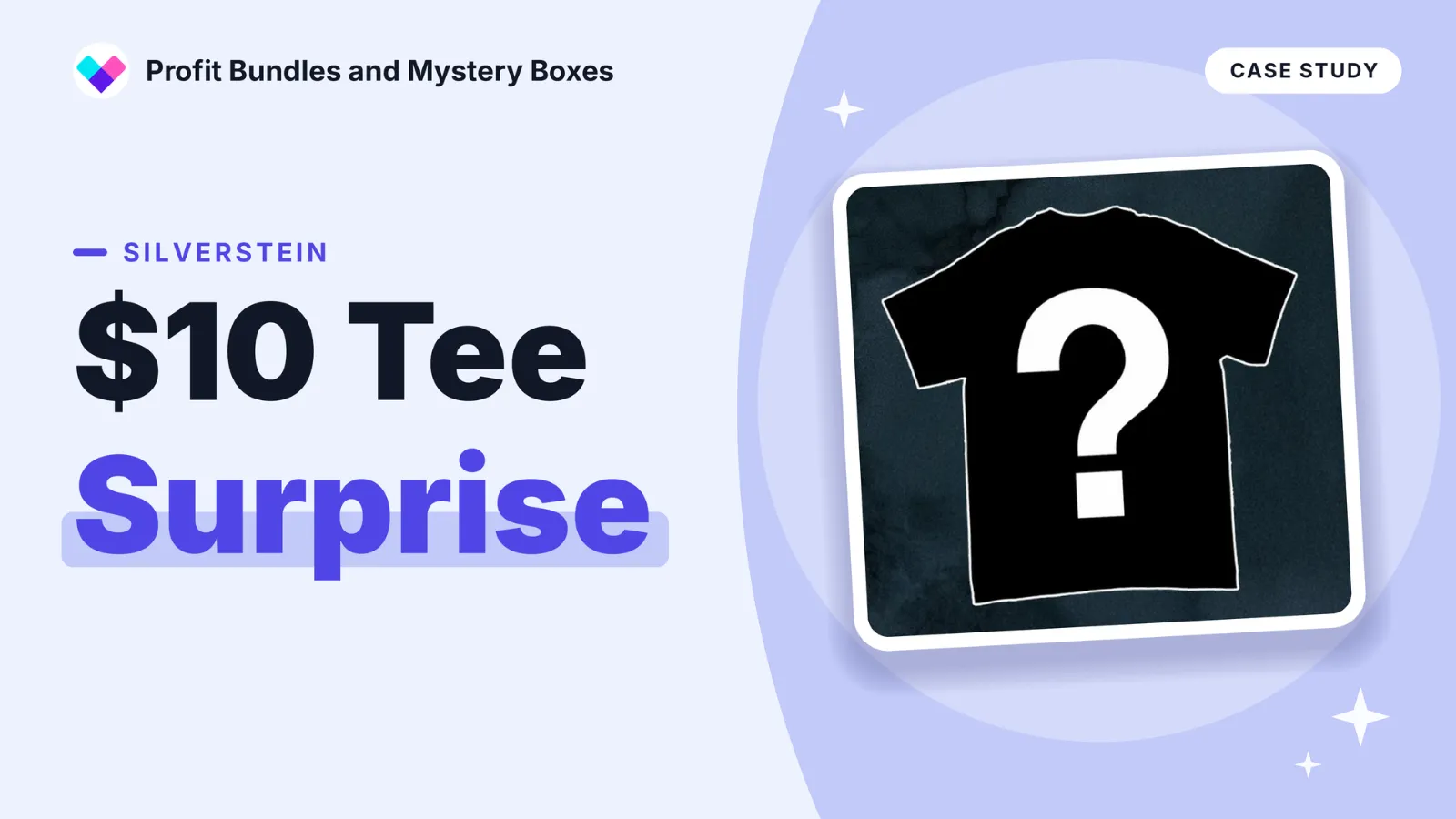
Silverstein's 'Mystery Tee' campaign leveraged a $10 price point as an impulse buy for inventory clearance.
The campaign's success stemmed from the 'mystery' element, low risk, and clear expectation management for a loyal fanbase.
No active social media promotion was needed; it functioned as an effective evergreen, passive offer on their site.
As a growth marketer, I'm always on the lookout for interesting e-commerce campaigns, especially those that leverage the power of bundles or mystery boxes. It's fascinating to dissect how different brands, from global retailers to niche artists, approach these strategies. This time, I dove into Silverstein, the iconic post-hardcore band, and their 'Mystery Tee' offering. What makes this particular case study compelling isn't its complexity, but rather its stark simplicity and how it effectively serves a very specific purpose within their e-commerce ecosystem.
Campaign Overview
Silverstein, a band with a deeply loyal fanbase, maintains a strong online presence that authentically reflects their dark, moody aesthetic. Their Shopify store is a hub for fans, prioritizing tour dates and, naturally, merchandise. The homepage immediately draws you in with high-quality band photography and clear calls to action, like 'Shop New' and 'Tour Dates'. It's clear that their e-commerce strategy is built to serve their established community directly.
Against this backdrop, I discovered their 'Mystery Tee' campaign. Unlike the high-stakes, limited-drop mystery boxes I often analyze, Silverstein's approach was refreshingly straightforward. This wasn't about generating massive hype or driving record-breaking sales; it was a simple, evergreen product designed to move excess inventory while offering a fun, low-risk impulse buy to their dedicated followers.
From what I could observe, this campaign didn't involve a grand launch or a complex marketing push. It was a consistent, always-on offering that integrated seamlessly into their existing merchandise lineup. During the campaign window, their 'Mystery Tee' moved somewhere under 100 orders, indicating its role as a steady, supplementary item rather than a flash sale.
How They Structured It
The beauty of Silverstein's 'Mystery Tee' campaign lies in its utter simplicity. There were no elaborate tiers, no countdown timers, and no explicit value anchoring like 'worth $50, get for $10'. It was a single-product offer, priced at an incredibly accessible $10.00.
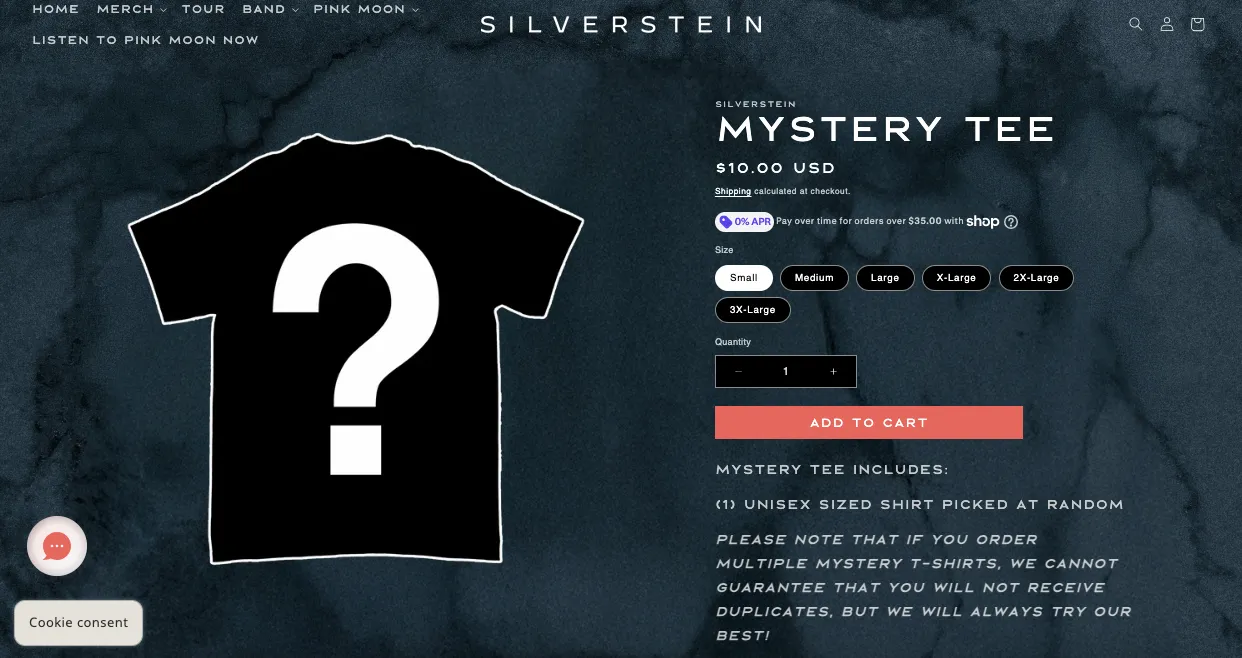
- Product: The 'Mystery Tee' is exactly what it sounds like – a randomly selected t-shirt.
- Price Point: At just $10.00, it's positioned as an ultimate impulse buy. For a fan, this is a no-brainer addition to an existing order or a standalone purchase if they're just looking for a cheap band tee.
- Value Proposition: The core value here is a combination of the low price and the element of surprise. Fans get a genuine piece of band merch at a steep discount, with the added thrill of not knowing exactly what they'll receive. This taps into a sense of discovery and the potential to unearth a rare or favorite design from the past.
- Product Page Details: The product page itself is minimal but effective. It clearly states that the item is a unisex shirt, picked at random. Crucially, it includes a disclaimer that ordering multiples may result in duplicates. This manages customer expectations upfront, preventing disappointment and subtly nudging buyers to perhaps purchase more than one if they're looking for variety, or to accept the risk for the low price.
"Don't overcomplicate things. Sometimes the most effective campaigns are the simplest ones that directly address a business need, like inventory management, while still delivering value and fun to your customers." — My own thought, reflecting on Silverstein's approach.
What struck me was the lack of traditional scarcity tactics. There was no 'limited stock' or 'ending soon' messaging. This reinforced my impression that its primary goal was inventory clearance rather than a high-pressure sales event. It’s an elegant solution for an ongoing operational challenge, disguised as a fun fan perk.
The User Experience
Navigating Silverstein's site to find the 'Mystery Tee' was a smooth and intuitive journey, reflecting their overall well-optimized e-commerce platform. The user flow was incredibly streamlined, minimizing friction at every step.
Here's how a fan would typically discover and purchase the item:
- Discovery: A customer would likely land on the homepage, drawn by tour dates or new releases. From there, the prominent 'Merch' link in the main navigation would be the natural next step.
- Browsing: Clicking 'Merch' leads to a well-organized collection. The 'Mystery Tee' is typically found within the broader 'Shop All' section, sitting alongside other apparel and accessories. It doesn't have a dedicated landing page or special promotion, making it feel like an organic part of their product catalog.
- Product Page: Clicking on the 'Mystery Tee' brings you to a basic but functional product page. Here, the customer simply selects their size from a dropdown menu. The product description, as mentioned, clearly outlines the mystery aspect and the possibility of duplicates.
- Adding to Cart: With a size selected, a quick click on the 'Add to Cart' button initiates the next stage.
- Cart & Checkout: The cart functions as a convenient slide-out drawer on the right side of the screen. This allows customers to quickly review their order without leaving the current page, fostering a sense of efficiency. From the cart, the transition to the checkout process is swift and direct.
Crucially, I noticed an absence of aggressive upsells or cross-sells during the cart or checkout process. This aligns with the campaign's low-pressure, inventory-clearing objective. The focus remains on a quick, uncomplicated purchase. The mobile experience mirrored this simplicity perfectly, offering a fully responsive and equally streamlined flow, which is essential for today's on-the-go shoppers.
Social Media Strategy
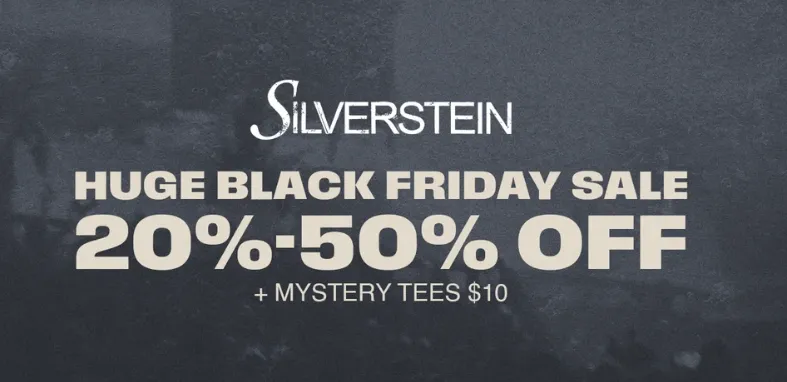
This is where Silverstein's 'Mystery Tee' campaign departs from the high-profile mystery box launches I studied. Those launches rely on teasers, countdowns and weeks of buildup. Silverstein kept it simple: a single post on their Instagram (@silverstein) folded the Mystery Tee into the band's Black Friday sale and sent fans straight to the webstore.
The timing is the smart part. Black Friday is when fans already expect merch deals and are ready to buy. Placing a $10 mystery shirt inside that moment gave it an audience without the band having to create demand from scratch. The low price and the surprise did the selling once fans reached the store.
For a band like Silverstein, whose fanbase is already highly engaged, this restraint makes sense. A run of posts about a $10 item could dilute the impact of bigger announcements like new music or tour dates. One well-timed post put the offer in front of fans without causing campaign fatigue.
The lesson is that not every e-commerce offer needs a full marketing push. With the right timing, a clear path to purchase and a loyal fanbase, a low-cost product can clear inventory with minimal promotional effort.
Why It Worked
Despite its minimal marketing and simple structure, Silverstein's 'Mystery Tee' campaign worked effectively for its specific goals. Here's my breakdown of the core conversion elements and psychological triggers at play:
- The Power of the Impulse Buy: At $10.00, the price point is incredibly low. This removes almost all purchasing friction and makes it an easy impulse add-on for existing orders or a standalone purchase for fans looking for a cheap band tee. It's a low-risk commitment that feels like a steal.
- Leveraging the 'Mystery' Element: The unknown is a powerful motivator. The 'mystery' aspect taps into human curiosity and the thrill of the hunt. Fans aren't just buying a t-shirt; they're buying a chance to get a rare design, a tour-exclusive, or simply a cool graphic they might not have picked themselves. This element of surprise creates a mini-gamification of the purchase.
- Value Perception & FOMO (Subtle): While there wasn't explicit value anchoring, the implied value of a band t-shirt (typically $25-$35) for only $10 creates a strong sense of perceived value. This subtle FOMO isn't about missing out on the campaign ending, but rather missing out on a potentially great deal or a unique item.
- Managing Expectations with Clarity: The explicit disclaimer about potential duplicates is a genius move. It pre-empts customer dissatisfaction and builds trust. By being transparent, Silverstein maintains a positive customer relationship, even for a mystery item. This clarity can also subtly encourage multiple purchases; a customer might think, "Even if I get a duplicate, it's only $10, and I might get something different with a second one."
- Authenticity to Fanbase: Silverstein's brand is built on authenticity. This campaign feels like a genuine perk for fans – a way to get affordable merch and a bit of fun. It doesn't feel like a cynical cash grab, which resonates deeply with their community.
- Efficient Inventory Clearance: From a business perspective, the campaign is an elegant solution for moving excess or older inventory without resorting to deep, brand-diluting sales. It turns a potential liability into a revenue-generating asset, all while delighting fans.
In essence, it worked because it understood its audience and its purpose. It wasn't trying to be something it wasn't. It was a simple, low-cost, low-risk, high-fun offering for a loyal fanbase, effectively clearing stock in the process.
Key Takeaways
Even from a seemingly simple campaign like Silverstein's 'Mystery Tee', there are valuable, actionable insights that other brands can replicate and adapt:
- Embrace the Low-Price Impulse Buy: A strategically priced low-cost item can be a powerful conversion driver, especially for impulse purchases or as an add-on to larger orders. It lowers the barrier to entry significantly.
- Leverage the 'Mystery' for Inventory Clearance: Mystery boxes are excellent for clearing out excess stock (slow-moving SKUs, past season items, overstock) while maintaining perceived value. The surprise element makes it exciting for customers.
- Manage Expectations Proactively: Be transparent about what customers can expect, especially with mystery items. Clear disclaimers about variations, duplicates, or product types build trust and prevent post-purchase disappointment.
- Simplicity Can Be Powerful: Not every campaign needs complex tiers, countdowns, or aggressive marketing. Sometimes, a straightforward offer, clearly communicated, is all that's needed, particularly for loyal customer bases.
- Align with Brand & Audience: Ensure your campaign feels authentic to your brand and resonates with your target audience. Silverstein's low-key approach suited their band culture and fan expectations perfectly.
- Passive Offers are Valid: An evergreen, passive product offering can still generate consistent sales and serve operational goals (like inventory management) without requiring constant marketing overhead.
Want to Run a Campaign Like This?
If Silverstein's clever approach to clearing inventory and delighting fans has sparked some ideas for your own store, you're in luck. Creating engaging mystery boxes and product bundles doesn't have to be complicated. In fact, tools exist specifically to make these types of campaigns seamless.
I've seen Profit Bundles on the Shopify App Store used by over 1,000 viral Shopify stores to set up dynamic campaigns just like this. While Silverstein kept it simple, Profit Bundles would have allowed them to easily define the 'dummy items' (the placeholder for the mystery tee) that get swapped out for real SKUs post-purchase, ensuring accurate inventory management and fulfillment.
It also gives you the flexibility to add elements Silverstein didn't use, like clear value anchoring (e.g., "Get $50 worth of gear for just $10!"), or even scarcity timers if you wanted to create a limited-time mystery drop. The app can handle complex order edits behind the scenes, making the customer experience smooth while keeping your operations tidy.
Whether you're looking to clear out old stock, create exciting new product offerings, or just give your loyal customers a fun surprise, a well-structured mystery box campaign can be incredibly effective. Give it a spin on the Shopify App Store →